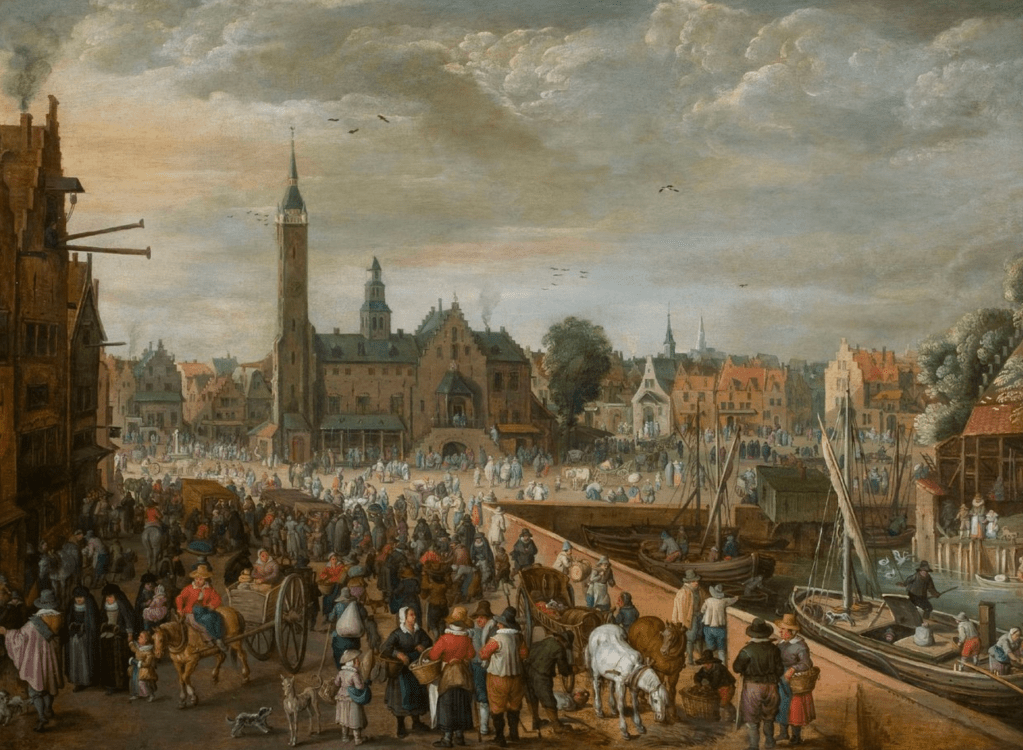
In the 1990s, an entire generation was robbed of its historical consciousness by a powerful and seemingly unprecedented tale. This story, crafted as the Cold War came to an end, declared that real or imagined boundaries had stopped working as they once had. Humans were no longer contained within their old geographies or identities. They now inhabited a new world that appeared to be unhinged from the normal evolution of human society.
The concept chosen to capture this transformational moment in human history was ‘globalisation’. It described how new technologies and networks of connectivity had suddenly brought human communities closer together and made them permeable to an uncontrollable flow of people, ideas, goods, and cultural practices, which all moved freely across the integrated markets of the world economy.
In the wake of this transformation, new jargon emerged, expressing new anxieties: the world had truly become the ‘global village’ that Marshall McLuhan anticipated in the 1960s, but it was a world shaped by multinational corporations and ‘elite globalisers’, who spoke a common, hegemonic ‘global English’, and were spearheading a destructive ‘homogenisation’ (or ‘McDonaldisation’) of human cultures that national borders were too fragile to withstand.
During the past three decades, more people have begun viewing our ‘global’ world as a cursed fate. With its suffocating time-space compression, globalisation seems to have uncoupled us from the logic and flow of history.
Our suspicious, bastard identities – patched together from a mishmash of cultures – appear incompatible with our ancestors’ ‘authentic’ traditions and ways of life.
We have become strangers to the places they called home, to the ways they dressed, ate, or communicated with one another.
And, with no template for how to live and no experience to learn from, the deafening siren songs of anti-globalisation movements are now luring us back into the safer identities and boundaries of a lost, golden past.
This tale of globalisation is the most successful scare story of our times. And like all scare stories, it stimulates our fear of an overwhelming unknown.
But it’s all an illusion. There is no new global world.
Our present appears that way only because we have forgotten our common past. Globalisation didn’t begin in the 1990s, or even in the past millennia. Remembering this older shared history is a path to a different tale, which begins much, much earlier – long before the arrival of international supply chains, ocean-going sailing ships, and continent-spanning silk roads.
The tale of globalisation is written across human history. So why do we keep getting the story so wrong?
 Things I Find Interesting [aka, the stuff rattling around inside the brain of Torr Leonard]